
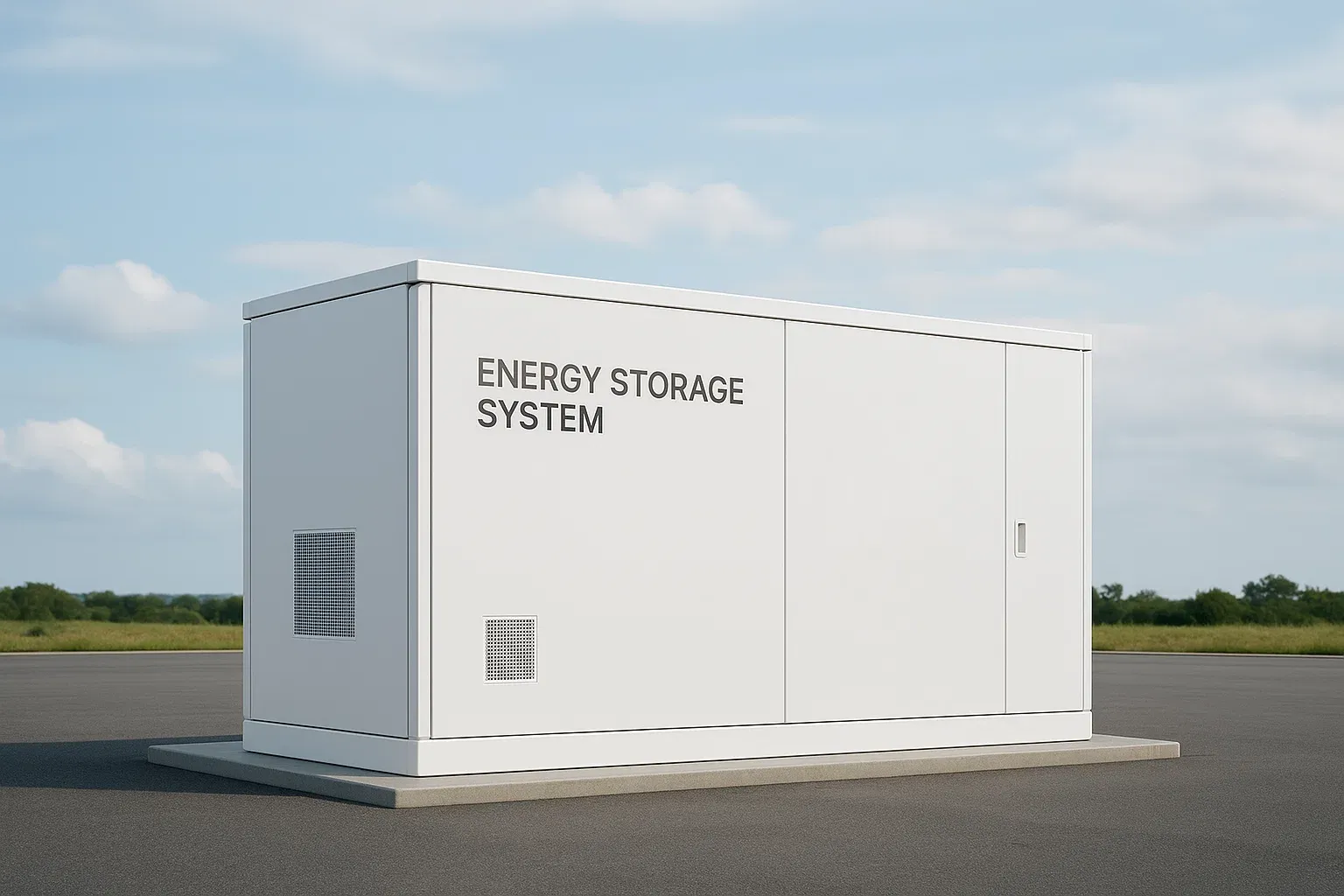
Energy Storage Systems
Advanced modular battery energy storage systems (BESS) for utility, commercial & industrial, and residential applications — engineered and supported end-to-end by Luminvolt.
Discover Our SolutionsWhy Choose Energy Storage?
A battery energy storage system decouples when you generate or buy electricity from when you use it. For grid operators that means stability; for businesses, lower demand charges; for homeowners, independence. New to the technology? Start with our plain-language guide: what is an energy storage system and how does it work.
Enhanced Reliability
Ensure continuous power supply, protecting against outages and grid instability.
Cost Savings
Optimize energy usage, reduce peak demand charges, and leverage off-peak rates.
Sustainable Energy
Maximize self-consumption of renewable energy sources like solar power.
Scalable & Modular
Flexible designs to meet your current needs and adapt to future growth.
Core System Components
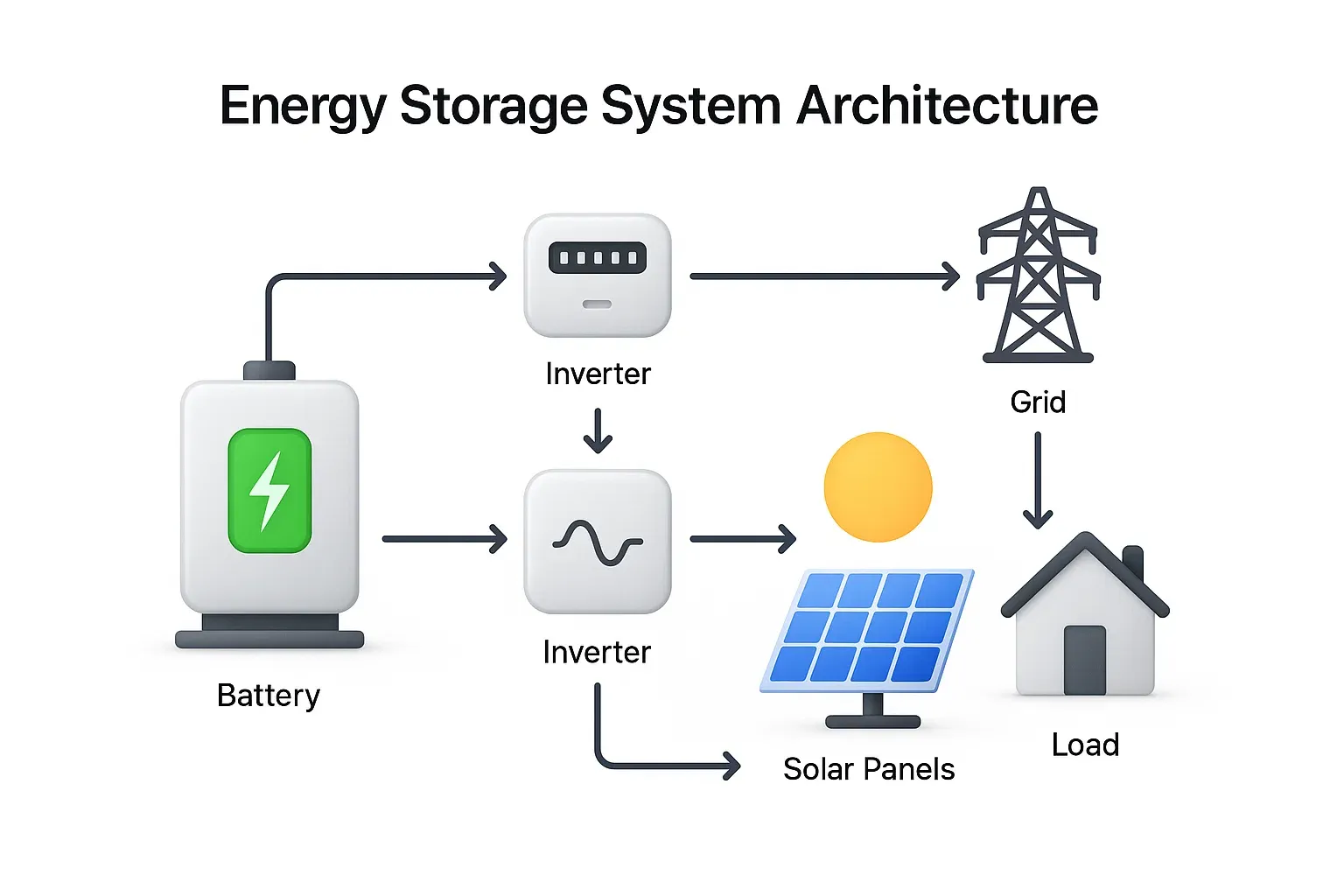
Illustrative System Architecture: Showcasing the interplay of key components.
Battery Pack
The heart of the system, storing energy using advanced Lithium Iron Phosphate (LFP) cells, known for safety, long cycle life, and thermal stability.
Battery Management System (BMS)
The “brain,” monitoring and managing battery health, safety (overcharge, over-discharge, temperature), and optimizing performance for longevity.
Power Conversion System (PCS)
The “translator,” efficiently converting DC power from batteries to AC for grid/application use, and vice-versa during charging, with bi-directional capability.
Energy Management System (EMS)
The “conductor,” an intelligent controller optimizing charge/discharge based on tariffs, load, generation, and user settings for maximum economic benefit.
Auxiliary Systems
Includes thermal management (HVAC), fire detection & suppression, and robust enclosures (cabinets/containers) ensuring safe, stable, and long-term operation.
Simplified System Operation
1. Energy Input
(Solar / Wind / Grid)
2. Energy Storage Unit
(Intelligent Charging & Storing)
3. Power Output
(To Loads / Grid Support)
Our system intelligently manages energy flow: charging from various sources, storing it efficiently, and discharging when needed to power your operations, optimize costs, or support the grid.
Our Product Lines
Tailored ESS solutions for diverse applications, from residential to utility-scale projects.
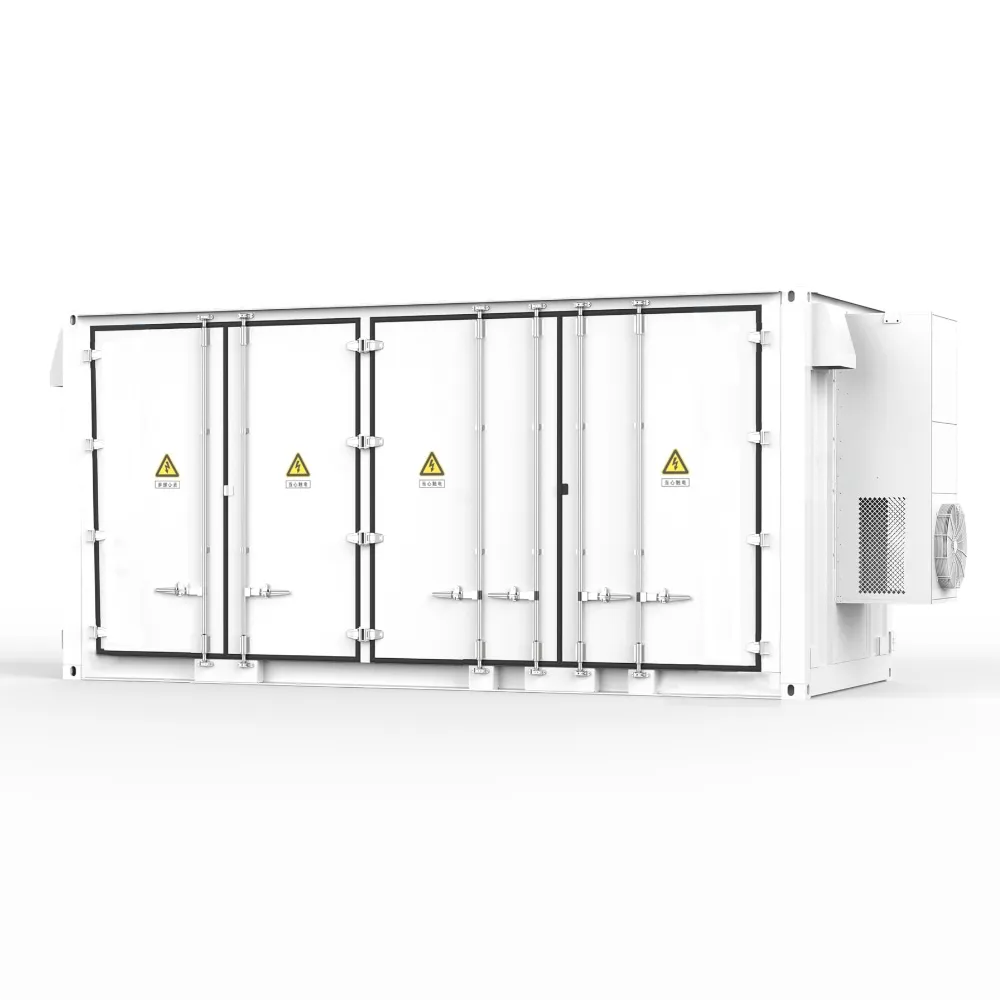
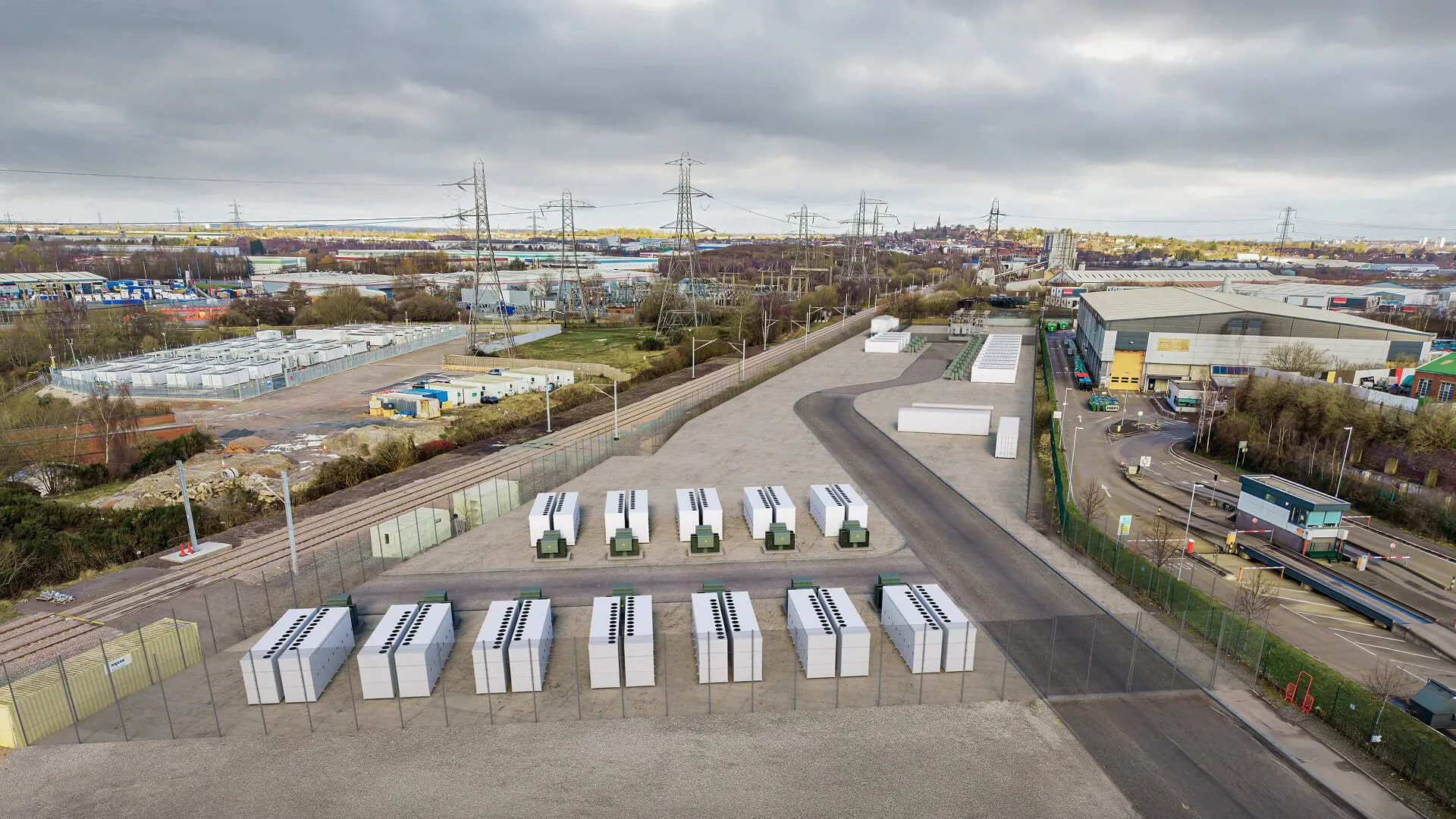
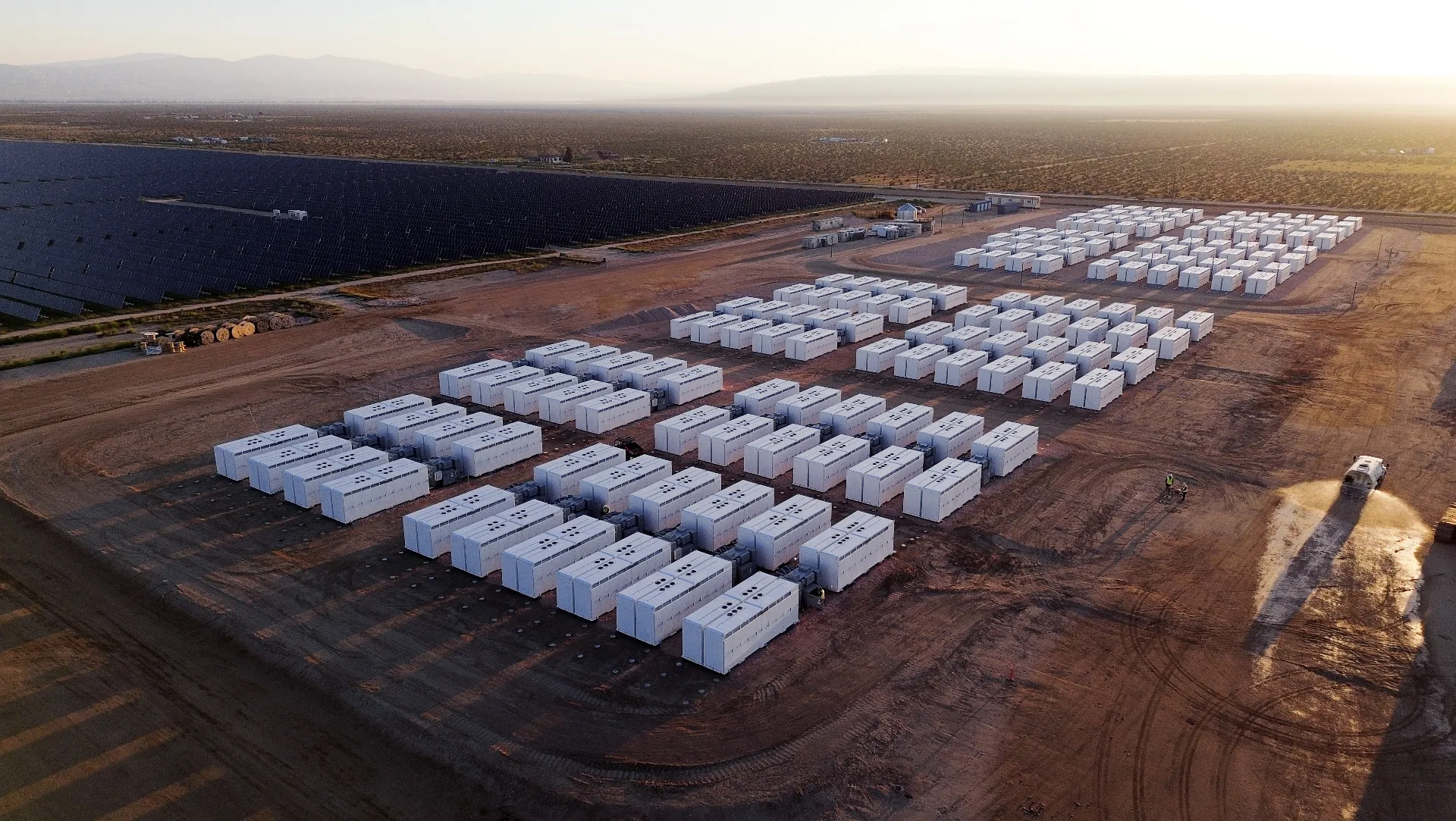
LuminPack™ Series
Capacity: 500 kWh – 5 MWh+
Power: 250 kW – 2.5 MW+
Cycle Life: > 8000 cycles @ 80% DOD
Planning a project? Read the containerized BESS design & cost guide.
View Details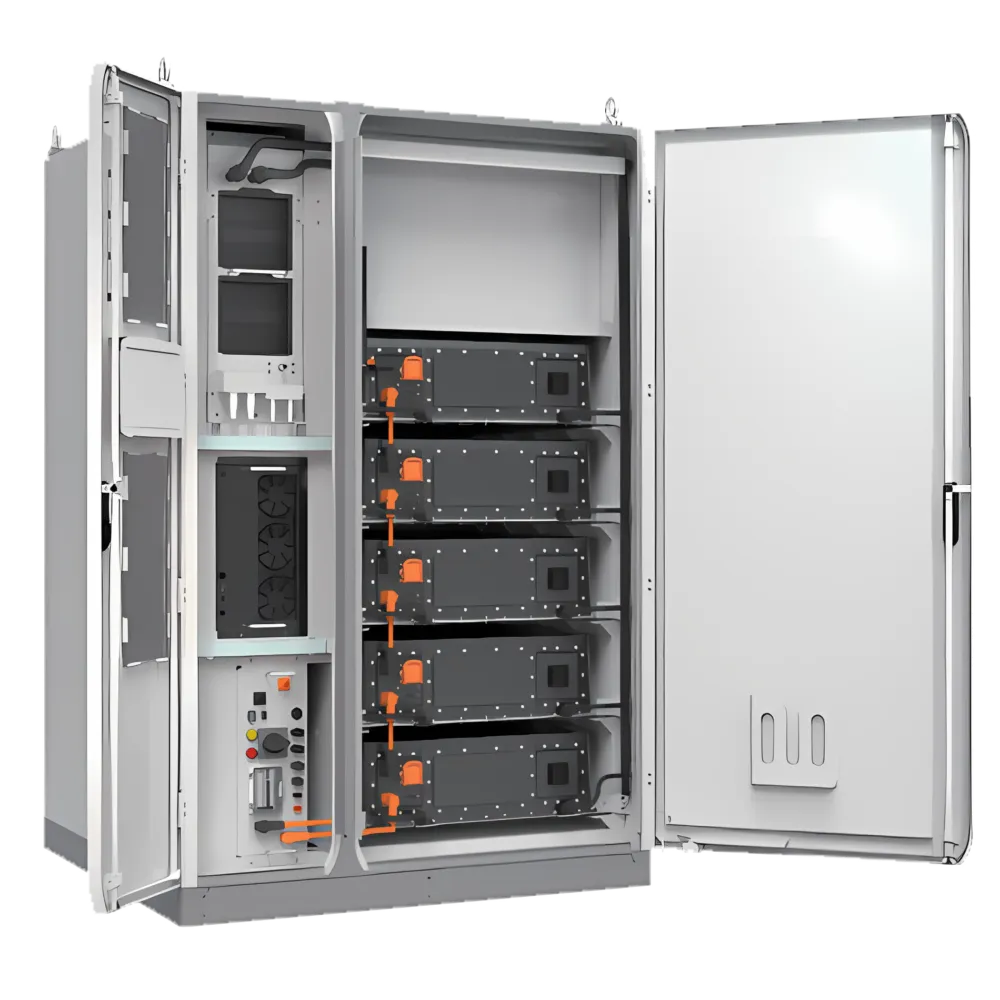
PowerCabinet™ Series
Capacity: 50 kWh – 350 kWh
Power: 10 kW – 150 kW
Cycle Life: > 7000 cycles @ 80% DOD
See how businesses cut bills in our commercial battery storage guide.
View Details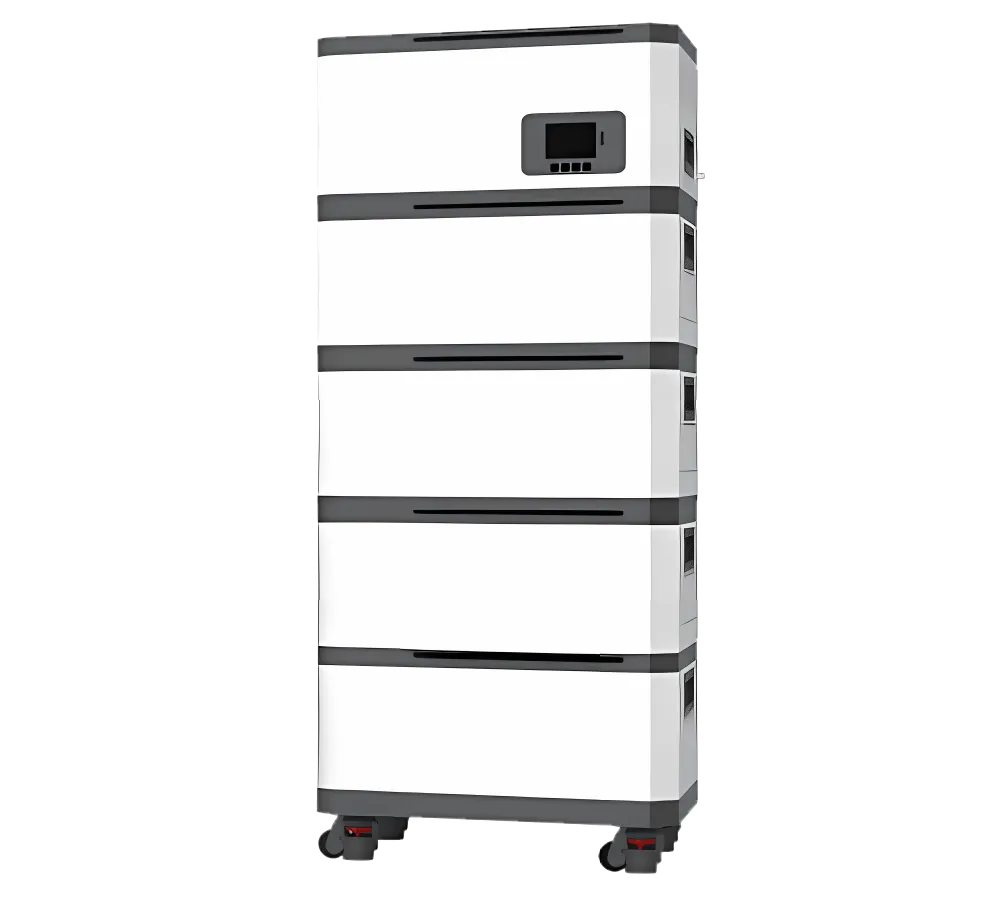
HomeStack™ Series
Capacity: 5 kWh – 30 kWh (modular)
Power: 3 kW – 10 kW
Cycle Life: > 6000 cycles @ 90% DOD
Size your home system with our residential energy storage guide.
View DetailsProduct Showcase Gallery

General System Technical Specifications
While individual product lines have specific ratings, our systems generally adhere to high performance and safety standards.
| Parameter Category | Typical Range / Feature |
|---|---|
| Battery Technology | Lithium Iron Phosphate (LFP) |
| Nominal Voltage | 48V (Residential) to 1500V (Utility) DC |
| Round-trip Efficiency (DC) | Up to 98% (Battery); >90-95% (System Level AC-AC) |
| Operating Temperature | -20°C to +55°C (with thermal management) |
| Communication Interfaces | CAN, RS485, Ethernet (Modbus TCP/IP, IEC61850 optional) |
| Safety Certifications | CE, UL (UL9540, UL1973, etc.), IEC standards compliance |
| Warranty | Standard 10 years, extendable options available |
Why LFP? Compare chemistries in our lithium vs lead-acid analysis, and understand budgets with what drives energy storage system cost.
Powering a Sustainable Future: Key Applications
Utility-Scale & Grid Services
Enhance grid stability with large-scale ESS for frequency regulation, peak shaving, renewable energy firming (solar/wind), and transmission/distribution deferral. Supports grid modernization. Containerized BESS guide →
Commercial & Industrial (C&I)
Reduce energy costs and improve power reliability. Ideal for demand charge reduction, peak-valley arbitrage, backup for critical loads (data centers, manufacturing), and maximizing PV self-consumption. How to evaluate C&I storage ROI →
Residential Energy Storage
Empower homeowners with energy independence. Store excess solar for night use or during outages, reduce grid reliance, and provide emergency backup, ensuring comfort and sustainability. How many kWh does your house need →
Microgrids & Off-Grid Solutions
Provide reliable, resilient power for remote communities, islands, or critical facilities. ESS forms the core of stable microgrids, integrating renewables and ensuring consistent power where grid is unavailable or unreliable.
Your Battery Energy Storage System Manufacturer
Luminvolt is a battery energy storage system manufacturer and supplier serving EPCs, developers, installers, and distributors worldwide. Every project pairs LFP-based hardware with the engineering work that makes BESS succeed: load-profile analysis and system sizing, PCS and transformer matching, grid-code compliance, commissioning, and long-term after-sales support with spare-parts availability.
We supply standard LuminPack™, PowerCabinet™, and HomeStack™ configurations as well as OEM/ODM programs. Explore our flagship LuminPack container energy storage system, or browse the energy storage knowledge base our engineers maintain.
Request a Custom Solution & Quote
Discuss your energy storage requirements with our experts and receive a tailored proposal.