
Single Axis Solar Tracker Manufacturer
LuminVolt designs and manufactures solar tracker systems for utility-scale and C&I ground-mounted solar projects. Compare 1P and 2P platforms, drive options and site-specific engineering, then request project-specific solar tracker pricing.
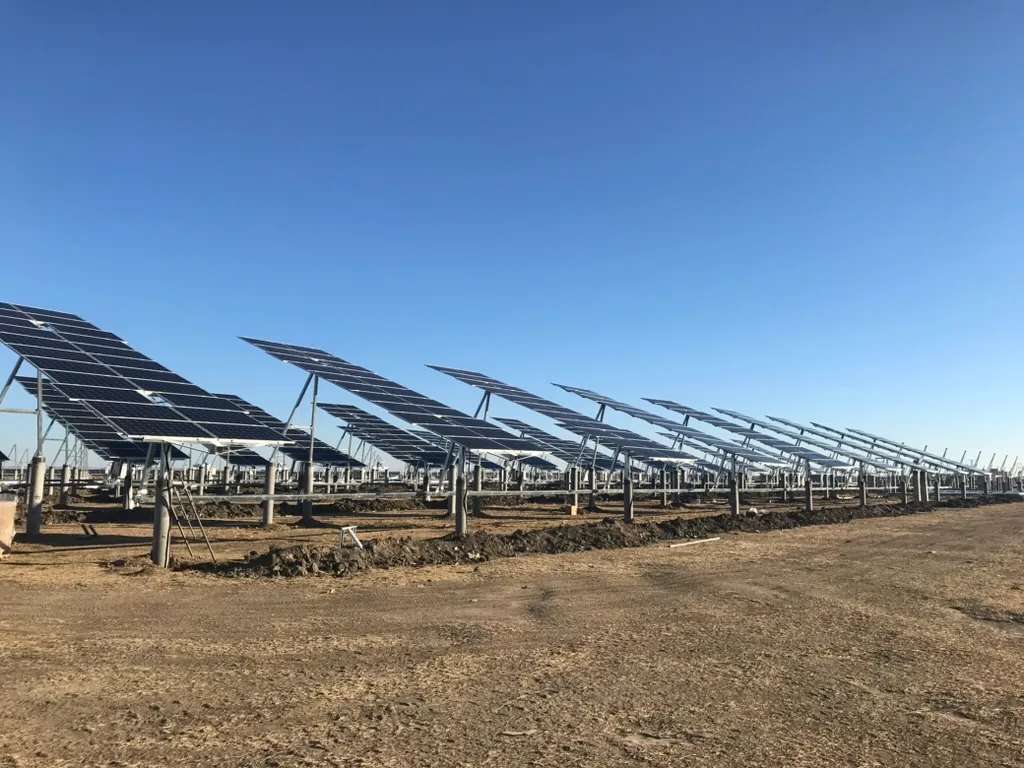
Two platforms. One goal: lower LCOE.
Choose a cost-optimized 2P system for large, regular sites or an adaptable 1P platform for complex terrain and demanding project conditions.
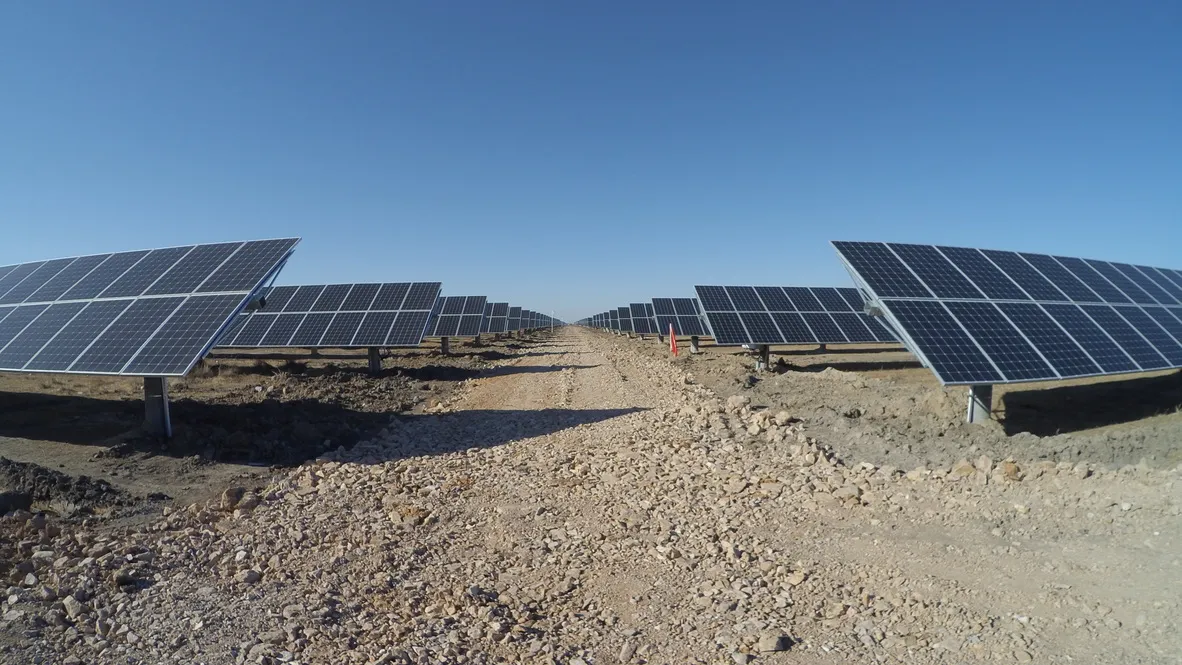
Sun Walker
A cost-effective solar sun tracker designed for maximum efficiency and significant savings in large-scale deployments.
- Increased energy gains: cutting-edge automatic, stepless adjustment delivers 2% more power than traditional manual adjustments.
- Reduced CAPEX: an optimized two-in-portrait configuration with a single-column structure reduces pile costs by up to 40% per megawatt.
- Utility-ready design: compatible with large-format and bifacial modules for high-power plant layouts.
Tilted Single-Axis Tracker
A highly adaptable solution engineered for reliable performance across diverse terrain, weather and project requirements.
- Customizable tilt angle: a 5° to 35° range supports site-specific energy production goals.
- Flexible drive and power: compatible with linear actuators or slewing drives and AC, string or small-module supplies.
- Advanced engineering: multi-drive architecture, special bearings and electrical synchronization deliver stability and precision.
- Low O&M: over 99% availability supported by a high-capacity backup power system.
Which tracker fits your project?
Compare configuration, site fit, drive architecture and design priorities at a glance.
| Feature | Sun Walker | Tilted Single-Axis Tracker |
|---|---|---|
| Best for | Large, flat sites prioritizing the lowest capital expenditure. | Complex terrain, variable site conditions and maximum adaptability. |
| Key advantage | Lowest installation cost | Maximum versatility |
| Configuration | 2P, single-column | 1P, multi-drive system |
| Tilt angle | Optimized for automatic stepless adjustment | 5° to 35° continuous automated adjustment |
| Availability | High, due to a simple and robust design | Exceeds 99%, with backup power systems |
| Drive system | Automatic stepless adjustment, single-column drive | Linear actuator or slewing drive, multi-drive with electrical synchronization |
| Power supply | AC or string-powered | AC, string or dedicated small-module supply with backup battery |
| Module compatibility | Large-format and bifacial modules | Large-format and bifacial modules |
| Wind & snow design | Site-specific structures with automatic stow protection. Estimate your project loads with our wind and snow load calculator. | |
Solar tracker price: what shapes a project quote?
Solar tracker system pricing is project-specific. A useful manufacturer quote must reflect the array configuration, site loads, foundations, controls, delivery scope and required engineering.
1P or 2P configuration
Module format, row length, torque-tube design and drive architecture determine steel quantity, motor count and installation labor.
Loads and foundations
Design wind, snow, terrain, corrosion class and geotechnical conditions influence member sizes, pile depth and protective coatings.
Controls and delivery
Controllers, weather stations, commissioning, spare parts, packing and destination logistics define the final supply boundary.
Engineered for wind, snow and complex terrain.
A solar tracker earns its yield advantage only if it survives decades of real weather. Every Luminvolt tracking system is designed around four layers of protection.
Smart backtracking
The control algorithm rotates rows away from each other in low sun to reduce inter-row shading, preserving yield at higher ground coverage ratios without adding land.
Automatic stow protection
Wind sensors trigger a low-load stow angle at the site threshold, while snow-stow logic sheds accumulation before it approaches design limits.
Code-based structural design
Torque tubes, bearings and foundations are sized to site loads using research-backed wind–snow combination factors and durable materials. Compare options in our aluminum vs steel analysis.
Terrain following
Articulated 1P layouts track north–south undulations, cutting grading costs on rolling sites where rigid systems would require extensive earthworks.
More than a tracker manufacturer.
Luminvolt serves utility-scale EPCs, developers and installers worldwide with engineering support from concept through commissioning.
Site-specific engineering
Layout optimization, pile design based on your geotechnical report and yield modeling for 1P vs 2P trade-offs.
Factory-direct supply
In-house fabrication of torque tubes, purlins and mounting hardware with full material traceability and OEM/ODM programs.
Commissioning & O&M
Installation supervision, controller commissioning and spare-parts availability across the system’s service life.
Run the numbers for your site.
Single axis trackers add CAPEX and slightly higher O&M, but the yield gain can lower lifetime LCOE. The right choice depends on irradiance, land cost and tariff structure.
Review the full payback framework in our solar tracker vs fixed tilt comparison guide, or explore fixed-tilt ground mounting systems where conventional racking is the better fit.
Solar trackers built for real site conditions.
Explore tracker installations across open fields, agricultural land, aquaculture sites and wind–solar hybrid projects.
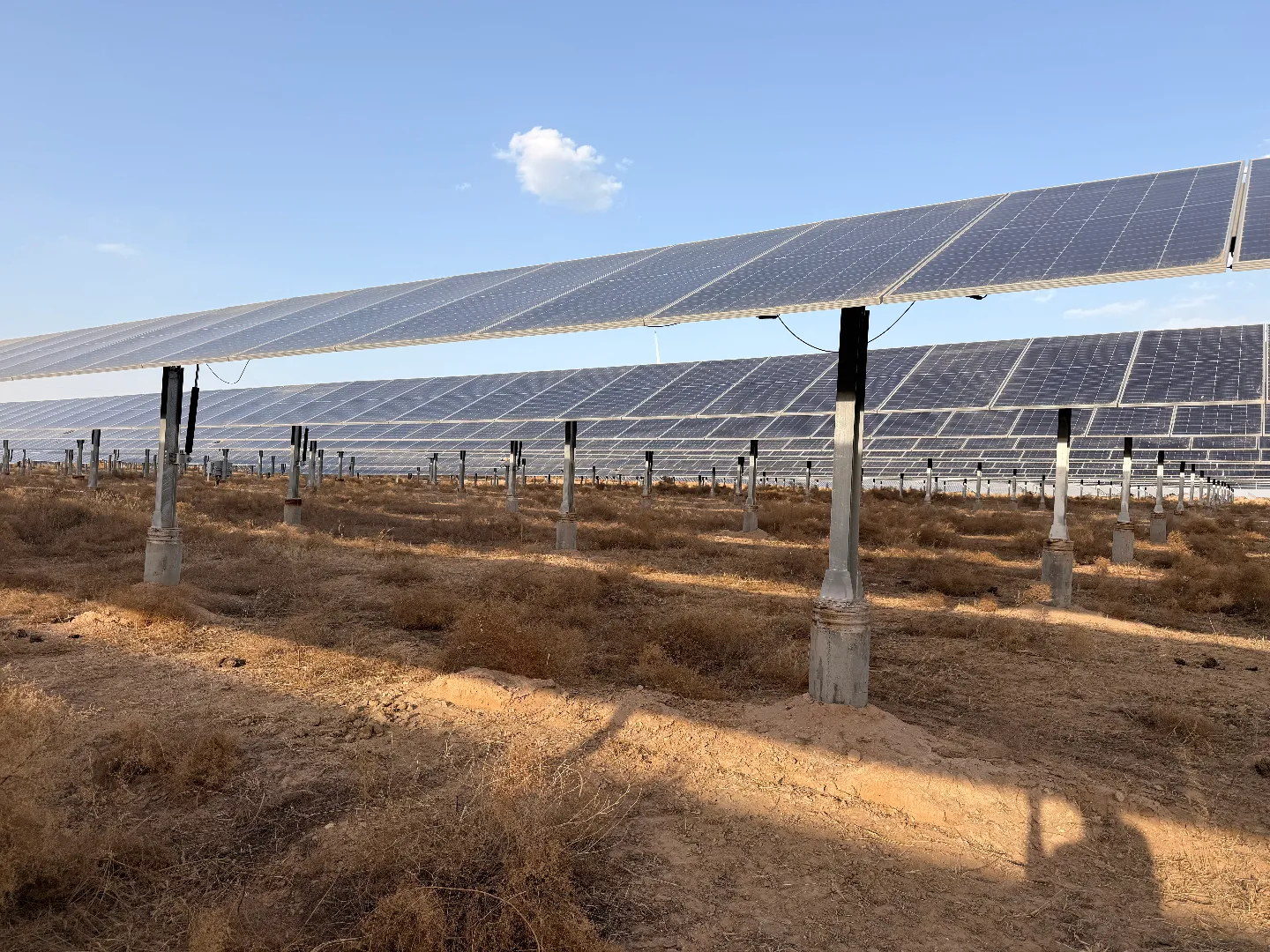
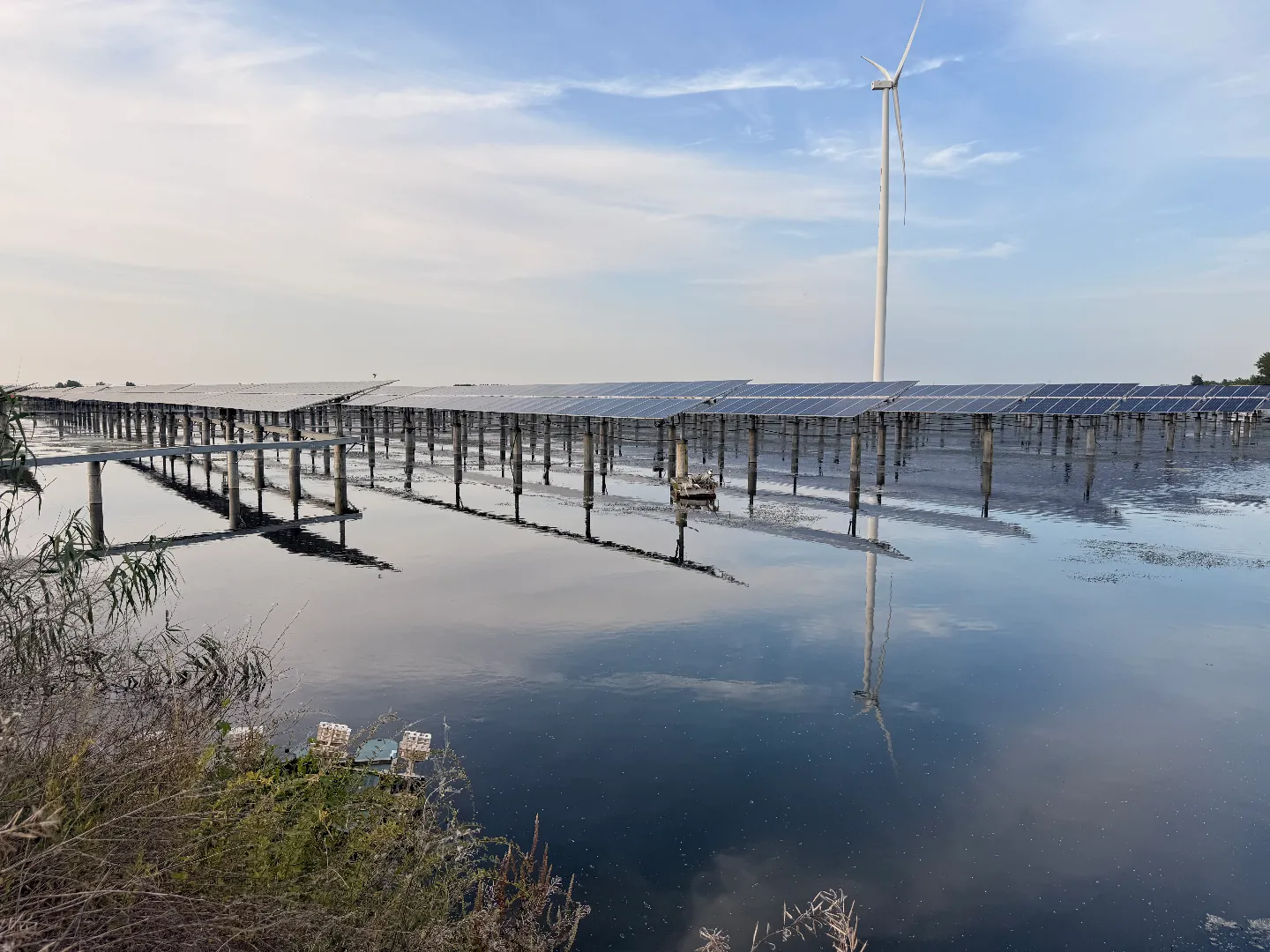

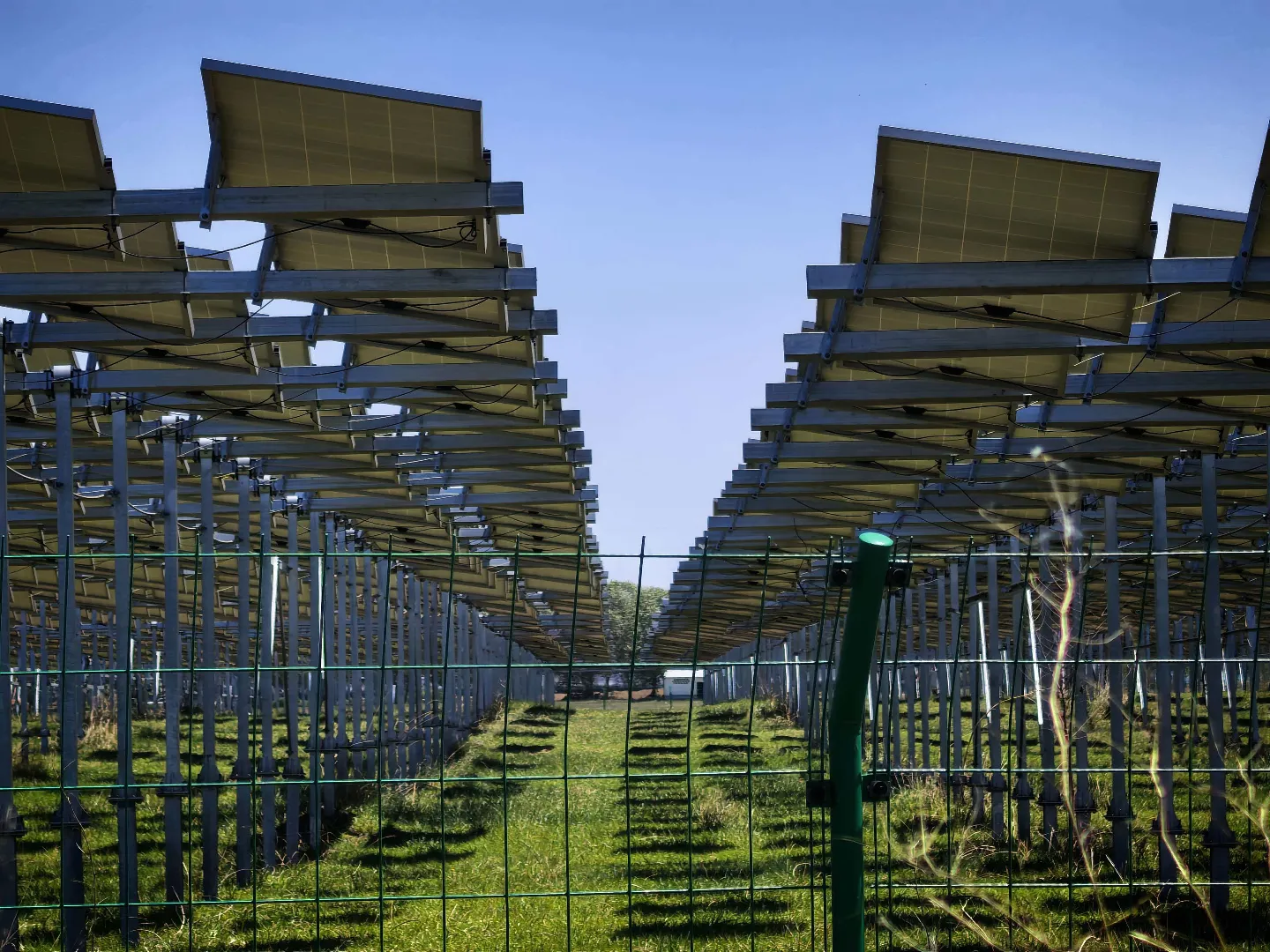
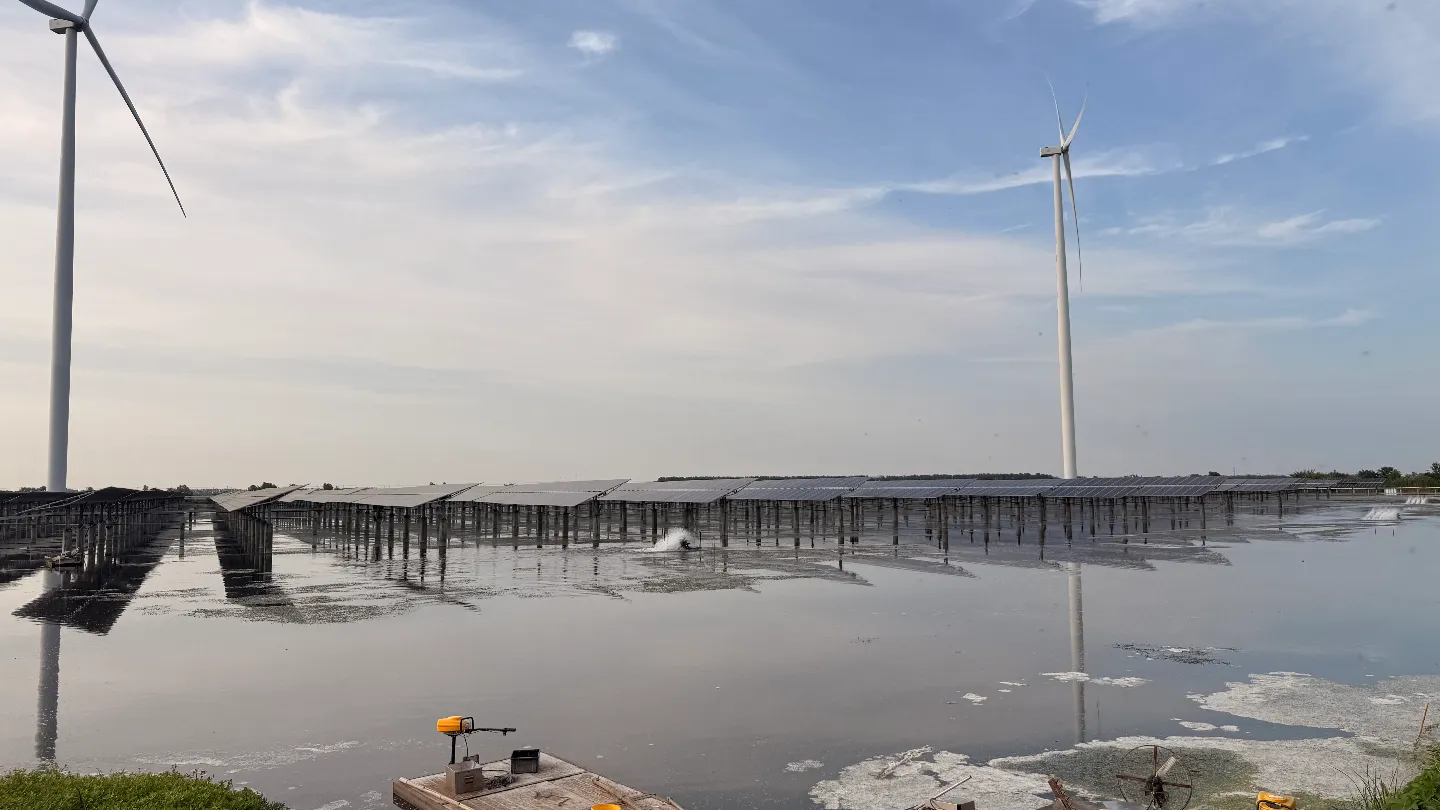
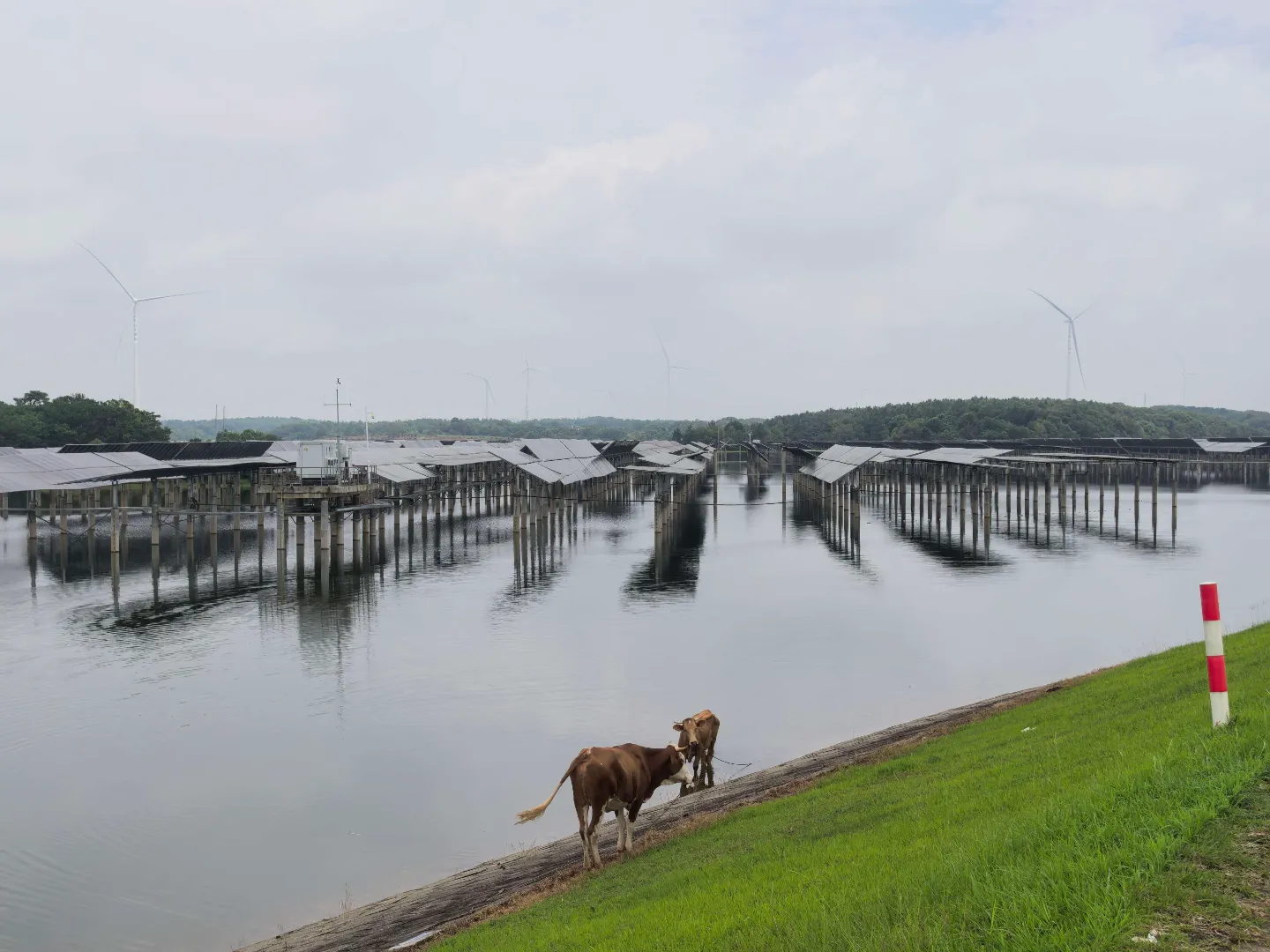
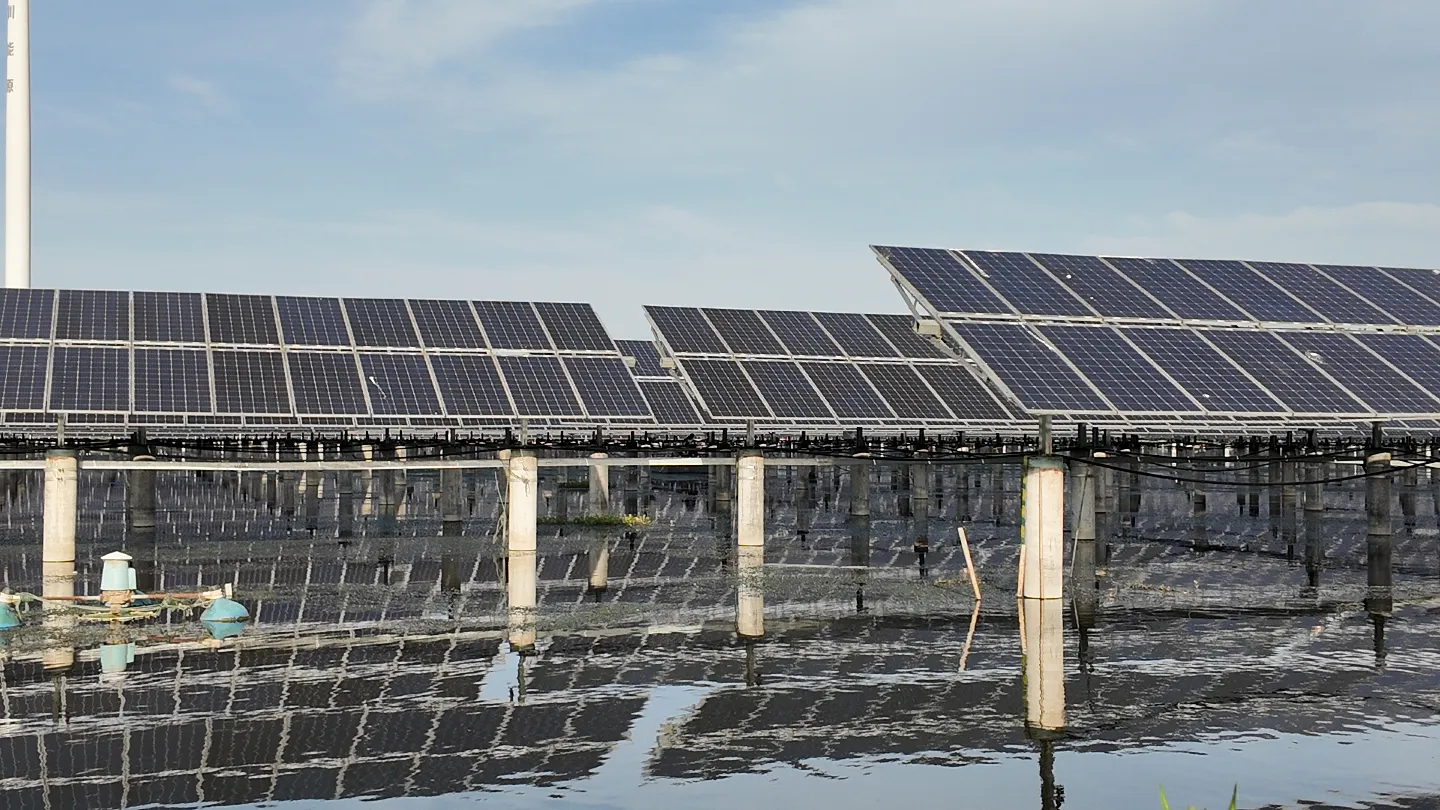
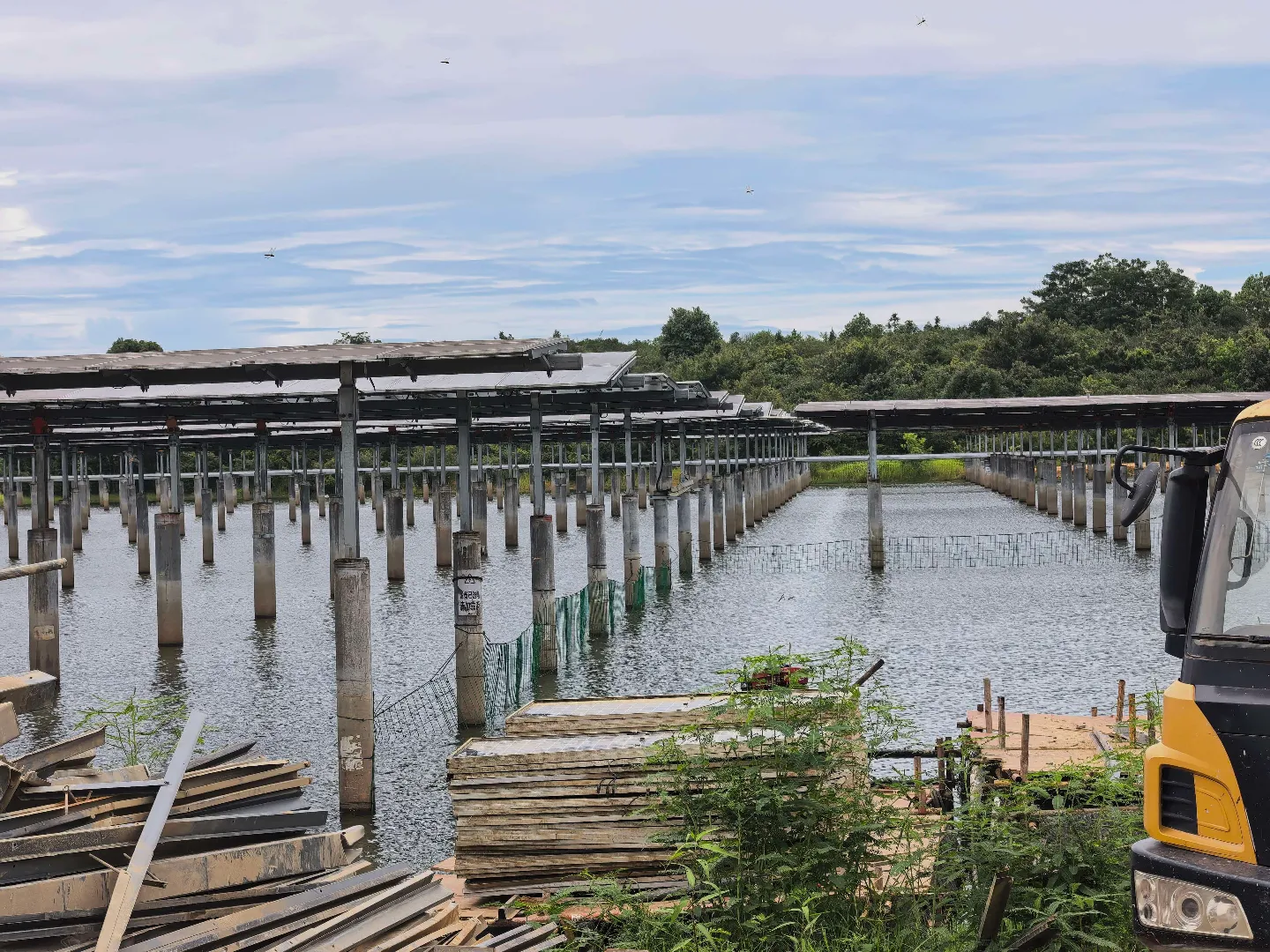
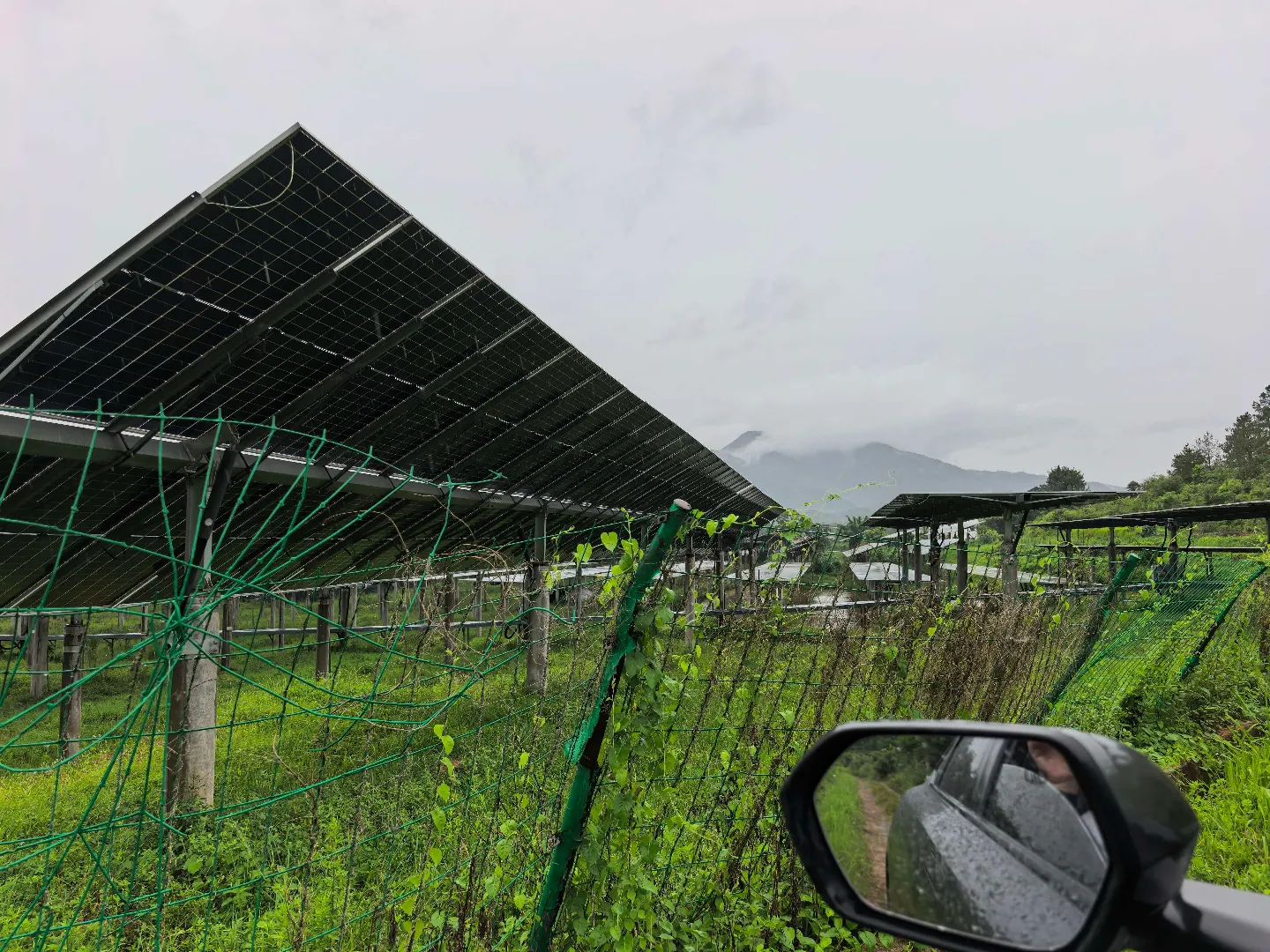
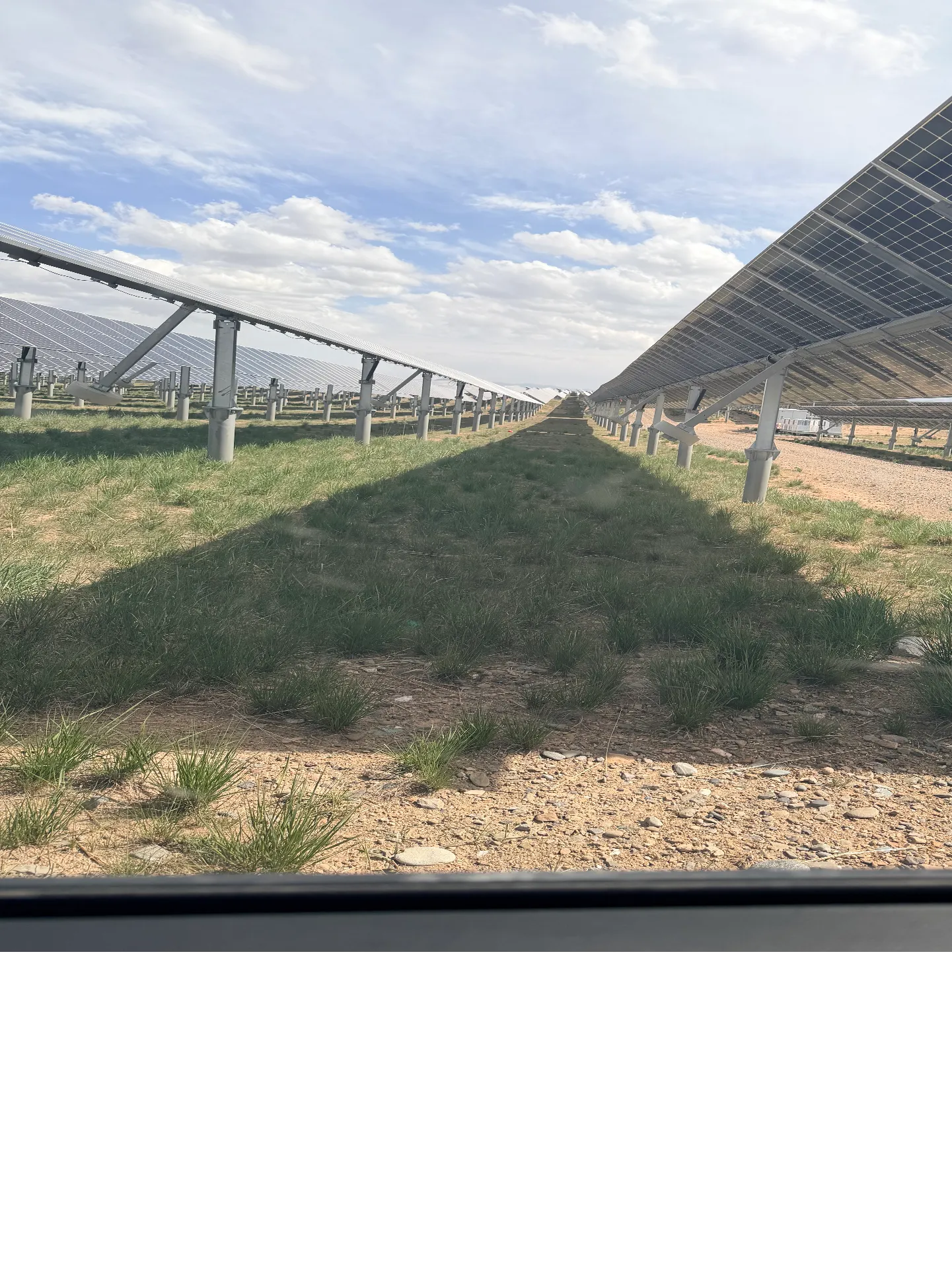
Drag, swipe or use the arrow buttons to view all project images.
Solar tracker FAQ
Practical answers for EPCs, developers and project engineers evaluating tracker technology.
What is the typical energy gain from a solar tracker?
Compared with a fixed-tilt system, a single-axis tracker can increase annual energy production by 15–25%, depending on latitude, irradiance and specific site conditions.
What does “2P configuration” mean?
“2P” means two-in-portrait: two solar modules are mounted one above the other in a vertical orientation on the tracker’s torque tube. This design can reduce the number of foundations required per megawatt.
Are these trackers suitable for bifacial modules?
Yes. The open structure and single-column design minimize backside shading and allow reflected light, or albedo, to contribute additional energy yield.
Are solar trackers worth it?
For utility-scale projects in mid-to-high irradiance regions, the 15–25% yield gain often outweighs added CAPEX within a few years. Trackers can be less compelling on very cheap-tariff sites, extreme-snow sites or small rooftops. Our tracker vs fixed tilt ROI guide explains the decision framework.
How much does a single axis solar tracker system cost?
There is no reliable one-price-fits-all figure. Solar tracker price depends on the 1P or 2P layout, module format, wind and snow loads, foundations, drive and control scope, coating, order volume and destination. Share your site location, module schedule, capacity and geotechnical data for a project-specific manufacturer quote.
Single axis vs dual axis solar tracker: which should I choose?
Dual-axis trackers capture slightly more energy but add mechanical complexity, cost and O&M. Horizontal single-axis trackers are the utility-scale standard because they offer an attractive yield-per-dollar ratio and proven reliability.
How do trackers survive high winds and heavy snow?
Wind sensors trigger a low-load stow angle before gusts reach design limits, snow-stow logic sheds accumulation and the structure is sized to combined site loads. Estimate your loads with our free wind and snow load calculator.
What operation and maintenance is required?
Routine O&M normally includes visual inspections, checks of mechanical components and control-system monitoring. Durable components and robust design support over 99% uptime with low lifetime maintenance requirements.
Get a tracker system and price proposal.
Share your project location, module schedule, capacity, wind and snow criteria, geotechnical data and delivery destination for a tailored system recommendation and commercial proposal.
Request Tracker Pricing