
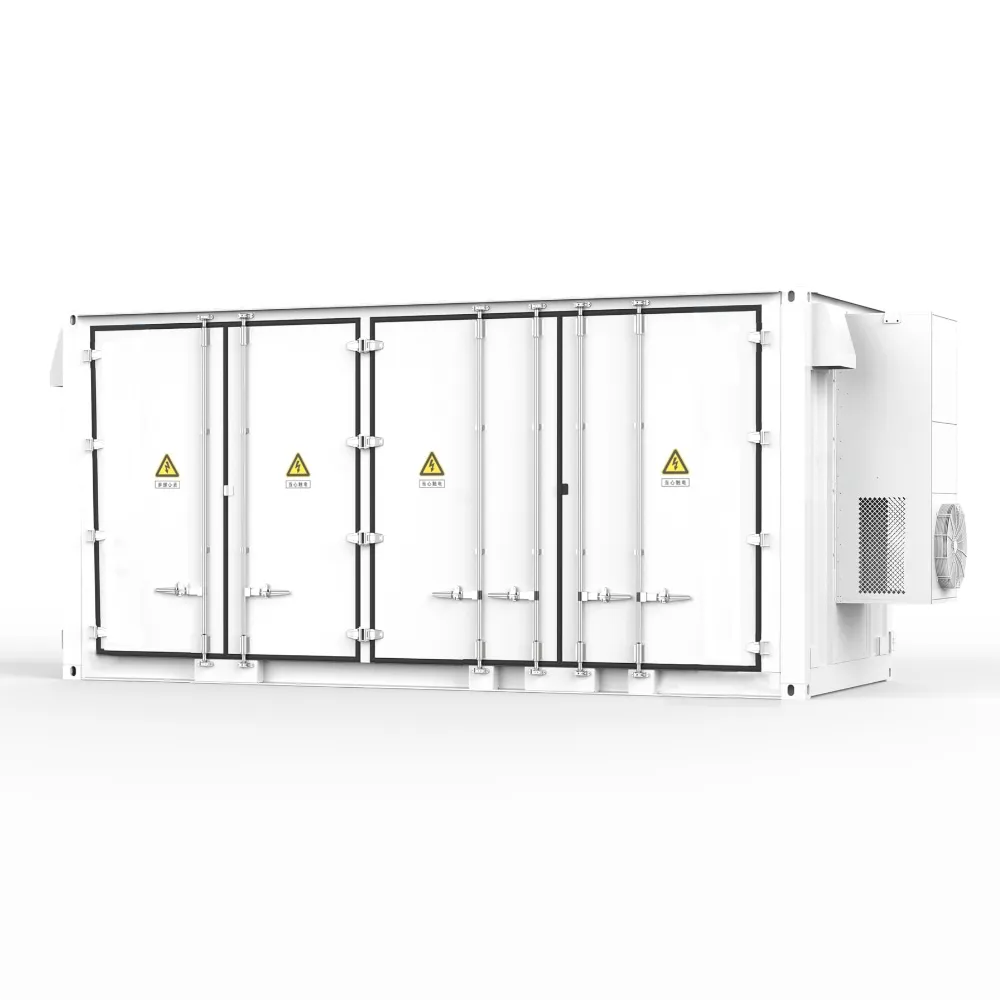
A containerized energy storage system is one of the most practical formats for commercial, industrial, and utility-scale battery energy storage projects. By integrating battery racks, power conversion equipment, thermal management, fire protection, and control systems into a standardized container, this type of system can simplify deployment while supporting a wide range of energy applications.
TL;DR: A containerized energy storage system (like the LuminPack) offers a “plug-and-play” solution for high-capacity power needs. It houses all critical components of a battery energy storage system in a single enclosure, drastically reducing installation time and site complexity for C&I projects.
For businesses evaluating battery storage, containerized systems offer a modular path to higher capacity, faster installation, and easier scalability. However, choosing the right system requires more than selecting a container size. Buyers need to understand power and energy requirements, battery chemistry, safety design, site conditions, interconnection needs, operating strategy, and long-term service planning.
This guide explains how containerized battery energy storage systems are designed, where they are commonly used, which safety factors matter, and what affects total project cost. For a broader overview of product options, visit LuminVolt’s Energy Storage System solutions page.
What Is a Containerized Energy Storage System?
A containerized energy storage system is a battery energy storage system housed inside a prefabricated container or enclosure. The container is typically designed to protect and organize critical components, including:
- Battery modules or battery racks
- Battery Management System, or BMS
- Power Conversion System, or PCS
- Energy Management System, or EMS
- HVAC or liquid cooling system
- Fire detection and suppression system
- Electrical protection and distribution equipment
- Monitoring, communication, and safety controls
The container format makes the system easier to transport, install, and expand compared with fully customized on-site battery rooms. For larger projects, multiple containers can be connected together to increase total energy capacity or power output.
How a Containerized BESS Works
A containerized BESS stores electrical energy in battery modules and releases it when needed. The system works through the coordination of several subsystems.
Battery Modules and Racks
Battery modules are grouped into racks to create the required storage capacity. In many modern stationary storage projects, lithium-ion battery technology is widely used because of its high energy density, efficiency, and mature supply chain. The battery section determines how much energy the system can store, usually measured in kilowatt-hours, kWh, or megawatt-hours, MWh.
Battery Management System
The BMS monitors and manages battery operation. It tracks voltage, current, temperature, state of charge, state of health, and safety conditions. A well-designed BMS helps protect the battery from overcharging, over-discharging, overheating, and abnormal operating conditions.
Power Conversion System
The PCS converts DC power from the batteries into AC power for facility loads or the grid. It also converts AC power back into DC power when charging the batteries. The PCS rating is usually measured in kilowatts, kW, or megawatts, MW. This rating determines how much power the system can charge or discharge at a given moment.
Energy Management System
The EMS controls how and when the system charges or discharges. Depending on the project goal, the EMS may optimize for peak shaving, solar self-consumption, backup power, energy arbitrage, or grid support.
Thermal Management and Fire Protection
Battery temperature directly affects safety, efficiency, and service life. Containerized systems typically use HVAC or liquid cooling to maintain stable operating temperatures. A containerized energy storage system should also include integrated fire detection, alarm, ventilation, and suppression features.
Deploy Faster with LuminPack
Skip the complex integration. Our LuminPack containerized energy storage solution arrives fully assembled with liquid-cooling and UL 9540A certification built-in.
Discover LuminPackContainerized Energy Storage System Applications
1. Commercial and Industrial Peak Shaving
Many commercial and industrial facilities pay demand charges based on their highest power draw during a billing period. A containerized BESS can discharge during peak demand periods to reduce grid power spikes. Peak shaving projects often require strong power output for shorter durations.
2. Solar Energy Storage
A containerized BESS can store excess solar power during the day and discharge it later when solar production drops or electricity demand increases. This application is common for solar farms, commercial rooftops, industrial parks, remote facilities, and microgrids.
3. Backup Power for Critical Loads
Businesses can use containerized storage to support critical loads during outages or grid instability. Backup power design should define the critical load list, required backup duration, transfer switching strategy, and whether solar or generator integration is needed.
4. EV Charging Infrastructure
Fast EV charging can create high peak demand, especially in locations where grid capacity is limited. A containerized BESS can buffer charging loads by storing energy during lower-demand periods and discharging during fast-charging events.
5. Microgrids and Remote Power
Containerized storage is often used in microgrids because it can stabilize renewable energy, support load balancing, and provide backup power. It can be integrated with solar, wind, diesel generators, or grid connections.
Power vs Energy: The Most Important Sizing Concept
When planning a containerized energy storage system, buyers need to understand the difference between power and energy.
| Term | Measured In | Meaning | Example Question |
|---|---|---|---|
| Power | kW or MW | How much electricity the system can deliver at one time | How large is the load peak? |
| Energy | kWh or MWh | How long the system can supply power | How many hours of discharge are needed? |
| Duration | Hours | Energy capacity divided by power rating | Does the project need 1 hour, 2 hours, or 4 hours of storage? |
For example, a system with high power but limited energy may be suitable for peak shaving. A system with more energy capacity may be better for solar shifting or backup power. A common mistake is asking only for battery capacity without defining the operating goal.
Key Design Factors for Containerized Energy Storage Systems
Battery chemistry, container layout, cooling design, electrical protection, and fire safety all affect system performance and reliability. Lithium iron phosphate, or LFP, is widely used in many stationary storage projects because of its thermal stability and long cycle life.
The internal layout must support safe operation and maintenance, including battery rack spacing, cable routing, ventilation path, fire protection access, maintenance walkway, emergency access points, and separation between electrical and battery areas.
Safety Standards and Compliance Considerations
Safety is one of the most important parts of any containerized BESS project. Because battery systems store large amounts of energy, design and installation must address fire risk, electrical hazards, thermal events, and emergency response.
- UL 9540 for energy storage system safety
- UL 9540A for thermal runaway fire propagation testing
- NFPA 855 for stationary energy storage system installation
- Local fire code and building code requirements
- Utility interconnection rules
- Project-specific permitting requirements
Compliance should be discussed early in the project, not after equipment selection. Requirements can affect container spacing, fire suppression design, ventilation, site layout, commissioning, and documentation.
Containerized ESS vs Cabinet Energy Storage System
| Comparison Point | Containerized ESS | Cabinet ESS |
|---|---|---|
| Typical Project Scale | Medium to large commercial, industrial, utility, and microgrid projects | Small commercial, residential, or distributed installations |
| Scalability | High; multiple containers can be connected | Moderate; cabinets can be added but may have site limits |
| Installation | Requires site planning, foundation, lifting, electrical integration, and permitting | Usually easier for smaller sites |
| Energy Capacity | Higher capacity potential | Better for smaller capacity needs |
| Best Fit | Industrial parks, solar farms, factories, EV charging hubs, microgrids | Homes, small businesses, telecom sites, light commercial backup |
What Affects Containerized Energy Storage System Cost?
The cost of a containerized energy storage system depends on many factors beyond the batteries themselves. According to NREL’s battery storage cost framework, installed storage cost includes battery packs, balance of system, power conversion equipment, controls, construction, commissioning, and interconnection-related costs.
- Battery capacity and duration: Larger kWh or MWh capacity generally increases equipment cost.
- PCS power rating: A higher kW or MW rating requires larger conversion and electrical infrastructure.
- Battery chemistry and cell quality: Cell grade, cycle life, warranty, certification, and supplier reliability all matter.
- Thermal management: Hot climates or high-utilization projects may require more advanced cooling.
- Fire protection and certification: Safety systems, testing, documentation, and compliance affect project cost.
- Site preparation: Foundation, drainage, fencing, crane work, trenching, and spacing can affect budget.
- Interconnection: Utility studies, switchgear, transformers, protection equipment, and metering can be major variables.
- Software and monitoring: EMS, remote monitoring, cybersecurity, and data logging support reliable operation.
Planning Checklist Before Requesting a Quote
Before contacting a supplier, prepare as much project information as possible. This helps avoid vague quotations and improves system design accuracy.
- Project location, available site area, and indoor or outdoor installation
- Climate and temperature range
- Grid connection type and interconnection requirements
- Existing solar or generator system
- Load profile, peak demand, and average daily consumption
- Required power rating, energy capacity, and backup duration target
- Operating strategy, such as peak shaving, solar self-consumption, backup power, microgrid operation, or EV charging support
- Warranty, monitoring, service, and certification requirements
Common Mistakes to Avoid
- Choosing capacity before defining the use case. A system for demand charge reduction may look different from a system for solar shifting or backup.
- Ignoring site and interconnection costs. Battery equipment is only part of the project.
- Treating fire safety as an add-on. Safety should be built into system design from the beginning.
- Comparing systems only by price per kWh. Buyers should also compare PCS rating, chemistry, cycle life, warranty, certification, thermal design, software, and service support.
- Overlooking maintenance access. A containerized system needs safe and practical access for inspection and service.
How to Choose the Right Containerized Energy Storage System Supplier
When evaluating suppliers, consider both product capability and project support. Ask whether the supplier provides complete system integration, which battery chemistry is used, what certifications are available, how thermal runaway risk is addressed, what monitoring functions are included, and whether the system can be expanded in the future.
A strong supplier should be able to discuss not only battery capacity but also site design, safety, controls, commissioning, and lifecycle support.
Is a Containerized Energy Storage System Right for Your Project?
A containerized energy storage system is often a strong choice when the project requires medium to large storage capacity, outdoor installation, modular expansion, integration with solar or microgrids, commercial or industrial load management, backup power for critical operations, or faster deployment than a custom battery building.
However, smaller projects may be better served by cabinet or wall-mounted systems. The right choice depends on load requirements, site space, installation conditions, budget, and long-term operating goals. If you are comparing different ESS formats, explore LuminVolt’s Energy Storage System solutions to review containerized, stackable, and wall-mounted options.
FAQ
What is a containerized energy storage system?
A containerized energy storage system is a battery energy storage system installed inside a prefabricated container. It usually includes battery racks, BMS, PCS, EMS, cooling, fire protection, electrical protection, and monitoring systems.
What is the difference between containerized BESS and battery cabinets?
A containerized BESS is usually designed for larger commercial, industrial, utility, or microgrid projects. Battery cabinets are typically used for smaller commercial, residential, or distributed installations.
What applications are containerized energy storage systems used for?
Common applications include peak shaving, solar energy storage, backup power, microgrids, EV charging support, renewable energy smoothing, and grid services.
How do I size a containerized energy storage system?
Sizing depends on the application. Buyers need to define power rating, energy capacity, discharge duration, load profile, operating strategy, backup requirements, and site conditions.
Are containerized energy storage systems safe?
They can be safe when properly designed, certified, installed, and maintained. Important safety features include BMS protection, thermal management, fire detection and suppression, electrical protection, ventilation, emergency shutdown, and compliance with relevant standards.
What affects the cost of a containerized energy storage system?
Cost factors include battery capacity, PCS rating, battery chemistry, container design, cooling system, fire protection, certifications, site preparation, interconnection, software, commissioning, warranty, and maintenance.
Sources
- U.S. Department of Energy, Energy Storage Grand Challenge: https://www.energy.gov/oe/energy-storage-grand-challenge
- International Energy Agency, Batteries and Secure Energy Transitions: https://www.iea.org/reports/batteries-and-secure-energy-transitions
- NREL Annual Technology Baseline, Utility-Scale Battery Storage: https://atb.nrel.gov/electricity/2024/utility-scale_battery_storage
- NFPA 855, Standard for the Installation of Stationary Energy Storage Systems: https://www.nfpa.org/codes-and-standards/nfpa-855-standard-development/855
- UL Solutions, UL 9540 Energy Storage Systems: https://www.ul.com/services/ul-9540-energy-storage-systems-ess
- UL Solutions, UL 9540A Test Method: https://www.ul.com/services/ul-9540a-test-method