
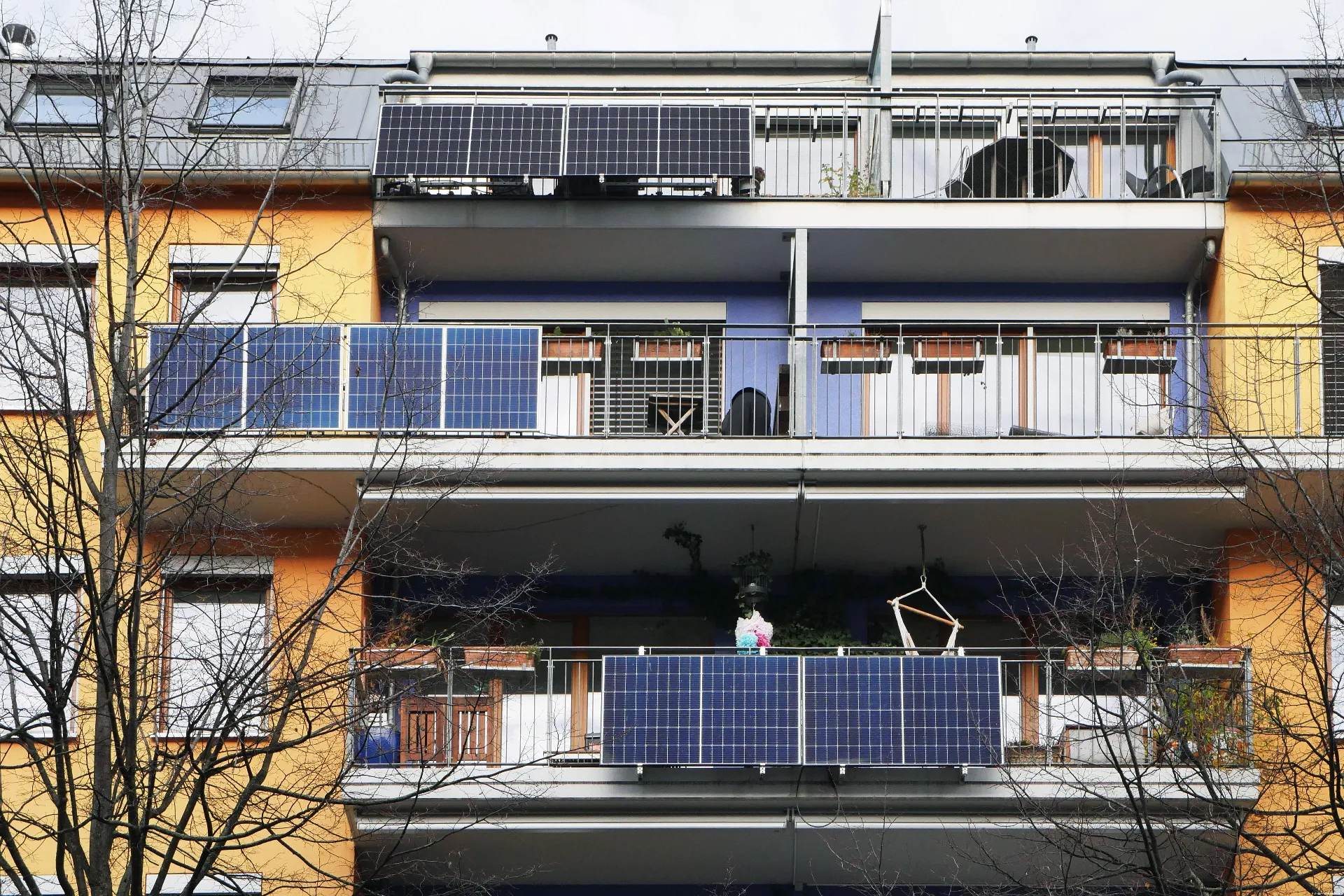
As the global climate crisis intensifies, the energy transition is no longer driven only by governments and utility companies. In Germany, it has moved directly into people’s homes — and even onto their balconies.
Compact, plug-in solar systems, commonly known as balcony solar, are rapidly transforming how households generate and consume electricity. Affordable, easy to install, and increasingly efficient, these systems allow residents to lower energy bills while actively participating in the shift toward renewable power.
Germany’s experience shows how small-scale solar can deliver big impact — and offers a practical blueprint for other countries.
What Is Balcony Solar — and Why It Works
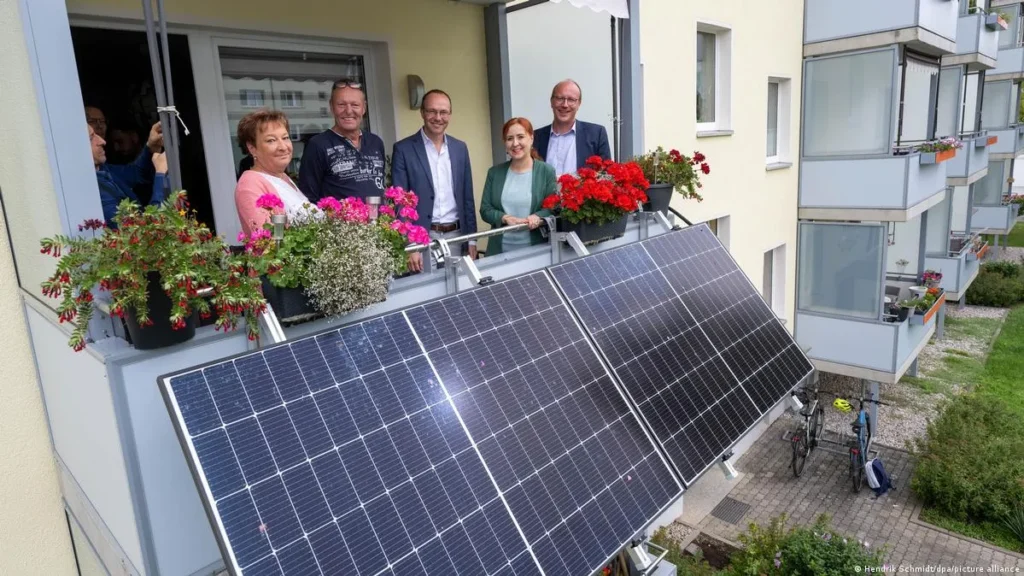
Balcony solar systems are small photovoltaic units designed for residential use. Most setups consist of one to four solar panels mounted on balconies, terraces, or exterior walls and connected to a standard household socket via a certified inverter.
Instead of drawing power from the grid, electricity flows from the solar panels into the home, reducing reliance on utility electricity in real time. From a user’s perspective, the system operates just like a household appliance — only in reverse.
Modern solutions increasingly include battery storage, allowing excess electricity generated during daylight hours to be stored and used later in the evening.
For readers who want to understand real-world configurations, component choices, and installation options, a detailed overview can be found in this balcony solar system solution.
Falling Prices Make Solar a Household Reality
Cost has traditionally been a major barrier to renewable energy adoption. That barrier is now rapidly disappearing.
Over the past two years, the price of balcony solar systems in Germany has fallen by nearly 50%. Entry-level systems are now available from around €200, while advanced configurations with integrated battery storage typically cost under €1,000.
According to research from the Berlin University of Applied Sciences (HTW), most balcony solar systems pay for themselves within four to seven years. After that, the electricity households generate is essentially free.
For homeowners comparing system size, battery capacity, and return on investment, choosing a plug-and-play balcony solar system simplifies both installation and long-term operation.
Policy Support Accelerates Adoption
Germany’s balcony-solar boom did not happen by chance. Clear regulatory support has played a decisive role.
Key policy measures include VAT exemption for private solar installations, legal permission for tenants to install balcony systems independently, and EU standards allowing limited grid feed-in for safe household use.
These rules reduce uncertainty and make balcony solar a compliant, low-risk investment for residential users.
More Than Savings: A Gateway to Energy Independence
While lower electricity bills are a powerful incentive, balcony solar delivers broader benefits.
Experts observe that many users treat plug-in solar as a first step toward deeper energy independence. Once households experience the advantages of producing their own electricity, they often invest in larger systems, electric vehicles, or heat pumps.
For those considering this first step, selecting a certified balcony photovoltaic system with battery storage helps ensure safety, efficiency, and long-term value.
Smart Buying: What Consumers Should Know
Despite their simplicity, balcony solar systems still require informed decision-making.
Before purchasing, experts recommend evaluating available installation space, sun exposure, and whether battery storage makes financial sense. Intelligent energy monitoring is particularly important for systems with multiple panels, as it allows production and consumption to be matched accurately.
To avoid unreliable products, industry specialists advise choosing a reliable balcony solar provider with transparent specifications, certifications, and clear installation guidance.
Why Balcony Solar Matters
Germany’s balcony-solar boom demonstrates a crucial lesson: renewable energy does not need to be complex or expensive to be effective.
With falling prices, simple installation, supportive regulation, and measurable returns, balcony solar systems empower individuals to reduce electricity bills, lower carbon emissions, and gain greater control over their energy use.
For homeowners and renters alike, a high-efficiency balcony solar solution offers one of the most practical ways to participate in the clean-energy transition today.